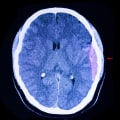
When an HIE diagnosis raises questions about childbirth care
Parents may wonder whether their child's hypoxic-ischemic encephalopathy could have been avoided.
The answer depends on the circumstances surrounding pregnancy, labor, delivery, and newborn treatment.
Some oxygen-depriving events are sudden and difficult to predict. Others involve warning signs that require medical evaluation and timely intervention.
Determining preventability requires a careful review of the medical evidence.
Recognizing signs of fetal compromise
During labor, healthcare professionals monitor the baby's condition using clinical observations and, when appropriate, electronic fetal heart rate monitoring.
Certain heart rate patterns can suggest reduced oxygen delivery.
However, abnormal patterns do not always mean brain injury is occurring.
Medical teams must evaluate the entire clinical situation before deciding whether treatment or expedited delivery is necessary.
Responding to obstetric emergencies
Complications such as placental abruption, uterine rupture, and umbilical cord prolapse may require urgent intervention.
Appropriate responses depend on the emergency, available resources, and the mother's and baby's conditions.
Delays may become significant when records indicate that a serious problem was recognized but appropriate care did not follow.
An unfavorable outcome alone is not proof that a delay was unreasonable.
Medical errors that may contribute to HIE
Potential concerns include failure to respond to significant fetal heart rate abnormalities, unreasonable delays in emergency delivery, or inadequate evaluation of a newborn showing neurological symptoms.
In some cases, questions also arise about access to cooling treatment.
The medical standard of care depends on the specific clinical circumstances.
The importance of timely newborn treatment
After delivery, healthcare professionals must evaluate newborns who show signs of significant neurological dysfunction.
For eligible infants with moderate or severe HIE, therapeutic hypothermia should generally begin within six hours of birth.
Hospitals without cooling facilities should have processes for prompt consultation and transfer when appropriate.
The presence of a missed treatment opportunity may warrant review, but causation and clinical eligibility must still be established.
How families can investigate possible negligence
A detailed medical review may examine prenatal records, labor notes, fetal monitoring tracings, delivery reports, and newborn intensive care documentation.
The review can help establish the timing of events and whether medical decisions were reasonable.
Independent medical specialists may evaluate whether a departure from accepted care occurred and whether it contributed to the child's injury.
Understanding legal claims
Medical malpractice claims generally require proof of a professional duty, a breach of the applicable standard of care, a causal connection, and resulting damages.
Potential damages may include medical expenses, therapy costs, assistive equipment, and future care needs, depending on applicable law.
Legal filing deadlines vary by jurisdiction. Some claims also have special notice requirements.
Common questions about preventable HIE
Does every HIE diagnosis mean a hospital made a mistake?
No. HIE can occur despite appropriate medical treatment.
Can fetal monitoring records help explain an injury?
Yes. They may provide important information about the baby's condition during labor.
Can a delayed cesarean contribute to HIE?
It may in certain circumstances, but the medical evidence must establish causation.
Should families preserve delivery records?
Yes. Complete records can help medical and legal professionals review the circumstances.