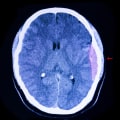
Hydrocephalus is not automatically a preventable birth injury. Many cases develop because of congenital conditions, prematurity, or illnesses. However, failure to recognize progressive fluid buildup or respond to warning signs may allow avoidable neurological damage. Medical malpractice investigations focus on whether appropriate monitoring and treatment could have prevented additional harm.
When hydrocephalus raises medical negligence concerns
Medical malpractice generally involves a failure to meet the applicable standard of care that causes legally recognized harm.
A hydrocephalus diagnosis alone does not prove negligence.
The underlying condition may be congenital or arise from a complication that could not reasonably have been prevented.
Legal concerns may arise when a healthcare professional fails to recognize or appropriately manage the condition.
The important distinction is between the original disease and any additional injury caused by inadequate care.
Missed warning signs during infancy
A baby's head circumference is normally measured during pediatric visits.
These measurements help clinicians identify unexpected changes in head growth.
A rapidly increasing head circumference may suggest ventricular enlargement.
Other concerning findings include a tense fontanelle, vomiting, unusual sleepiness, and abnormal eye movements.
A legal review may examine whether symptoms were recognized and evaluated appropriately.
However, one missed measurement or an isolated symptom does not automatically establish malpractice.
The question is whether the response met accepted medical standards under the circumstances.
Intraventricular hemorrhage and premature infants
Premature infants have an increased risk of bleeding into the brain's ventricles.
Some hemorrhages lead to progressive ventricular dilation and hydrocephalus.
At-risk infants may require scheduled cranial ultrasound examinations.
These scans help detect bleeding and changes in ventricular size.
An investigation may examine whether appropriate surveillance was performed.
It may also consider whether concerning imaging findings led to timely specialist evaluation.
Not every infant with IVH develops hydrocephalus, and not every brain bleed is preventable.
Delayed imaging and diagnosis
Cranial ultrasound can identify enlarged ventricles in young infants.
MRI may provide additional detail when needed.
A delay in ordering appropriate imaging may become important if it allowed harmful pressure or ventricular enlargement to progress.
However, the legal significance depends on what symptoms were present, when they appeared, and what a reasonably careful clinician would have done.
Medical experts must assess whether earlier testing would probably have changed the outcome.
Shunt malfunction and emergency response
A child with a VP shunt remains at risk of device malfunction.
Blockage or infection can cause dangerous fluid accumulation.
Symptoms may include vomiting, sleepiness, irritability, and neurological changes.
A suspected malfunction requires urgent medical evaluation.
A legal claim may arise if a serious shunt problem was not recognized or treated appropriately.
However, shunt failure itself does not prove negligent care.
Medical devices can fail despite proper treatment.
What medical records may reveal
Medical records are central to hydrocephalus investigations.
Head circumference charts can show changes in growth over time.
Ultrasound and MRI reports may document ventricular enlargement.
Hospital notes can establish when symptoms were recognized.
Neurosurgical records may explain why treatment was recommended and when it occurred.
Specialist experts review this information to assess the standard of care and causation.
Did you know?
In many hydrocephalus malpractice investigations, the main question is not whether clinicians caused the original condition.
It is whether earlier recognition or treatment could have prevented additional brain injury.
Common questions around hydrocephalus malpractice
Is congenital hydrocephalus medical malpractice?
Not by itself. Congenital hydrocephalus often develops independently of medical negligence.
Can delayed diagnosis support a legal claim?
Possibly, if the delay breached accepted standards and caused additional harm.
Does a blocked shunt prove malpractice?
No. The device may malfunction without negligent care, although an inadequate response may raise separate concerns.
Why are head circumference records important?
They help establish whether concerning growth patterns were present and how clinicians responded.