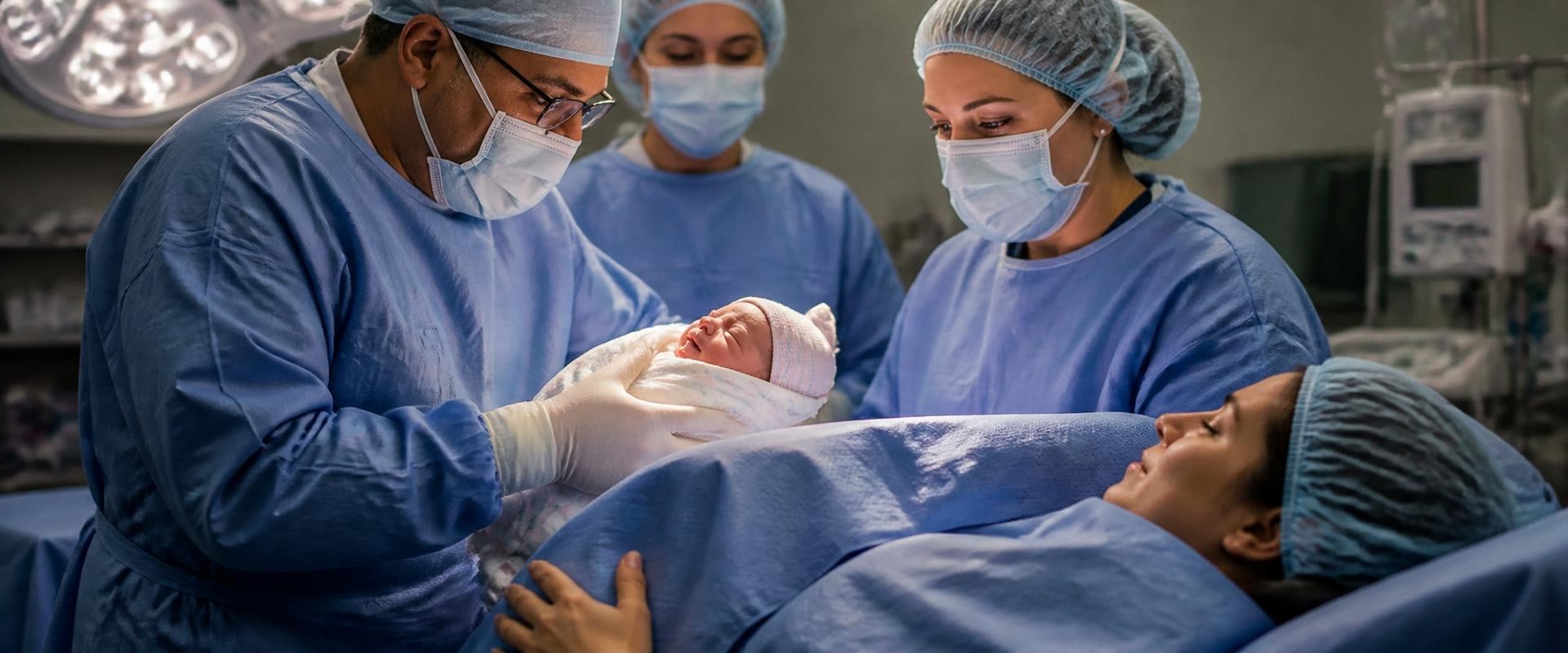
Preventing avoidable injuries during cesarean delivery requires preparation, careful monitoring, and timely clinical decisions. Although some complications cannot be predicted or prevented, effective hospital procedures can reduce risks. Parents can also benefit from understanding how emergency delivery decisions are made.
Why safe cesarean care begins before labor
Pregnancy care provides an opportunity to identify conditions that may affect delivery.
Doctors assess maternal health, fetal development, placental position, and previous surgical history.
Certain findings may support planning a cesarean before labor begins.
Other pregnancies remain suitable for vaginal birth unless complications develop.
The delivery plan should reflect the individual patient's circumstances.
A previous C-section does not automatically mean that another cesarean is required.
Some patients may be candidates for vaginal birth after cesarean, commonly called VBAC.
The decision depends on medical history, the type of previous uterine incision, and access to emergency care.
Planning for unexpected complications
Even a pregnancy without recognized risk factors can develop complications during labor.
Hospitals therefore need procedures for responding to emergencies.
These procedures may include rapid notification of surgical personnel, anesthesia preparation, and access to newborn resuscitation services.
The medical team should understand who is responsible for making decisions and communicating changes.
Preparation does not eliminate every risk.
It can, however, reduce avoidable delays when urgent intervention becomes necessary.
The role of fetal monitoring in preventing injuries
Fetal heart rate monitoring helps clinicians evaluate how the baby responds to labor.
Medical professionals interpret heart rate patterns alongside contractions, maternal condition, and labor progress.
Some changes are expected and require only observation.
Others may indicate the need for further assessment or intervention.
When a concerning pattern persists, clinicians must decide whether continued labor remains appropriate.
Appropriate treatment may include addressing reversible causes while preparing for possible delivery.
The response should reflect the severity of the findings.
Knowing when an emergency C-section is necessary
A cesarean may become necessary when the risks of continued labor exceed those of surgery.
Severe fetal heart rate abnormalities, certain placental complications, and uterine rupture are examples of situations that may require urgent delivery.
Not every unplanned cesarean is an emergency.
Labor that stops progressing may require surgery without the same urgency as a sudden interruption in oxygen supply.
Recognizing this distinction helps medical teams prioritize treatment appropriately.
It also helps families understand why some procedures happen immediately while others involve additional preparation.
Did you know? Surgical safety includes postoperative monitoring
Safe C-section care continues after the baby is delivered.
Medical professionals monitor the mother for excessive bleeding, infection, blood pressure changes, and other complications.
Newborn assessments focus on breathing, circulation, neurological function, and physical injuries.
Some babies require additional observation after complicated deliveries.
A newborn who experienced suspected oxygen deprivation may need specialized neurological evaluation.
Maternal recovery also requires attention.
Severe pain, heavy bleeding, fever, wound drainage, or breathing difficulties can signal complications.
Patients should receive clear discharge instructions and know when to seek medical attention.
How parents can participate in informed delivery decisions
Expectant parents can discuss delivery preferences and possible complications during prenatal appointments.
These conversations may cover the circumstances in which a cesarean could become necessary.
Parents can ask how fetal monitoring is used and what happens when urgent surgery is required.
They may also discuss anesthesia options and recovery expectations.
For patients considering VBAC, hospital resources and emergency response capabilities are important topics.
Informed consent allows patients to understand the benefits and risks of proposed treatment.
During an emergency, decisions may need to happen quickly.
Clear communication remains valuable, even when circumstances limit the time available for discussion.
Common questions around C-section injury prevention
Can all C-section birth injuries be prevented?
No. Some complications occur despite appropriate medical decisions and careful surgical technique.
Is a planned C-section always safer than an emergency C-section?
Not necessarily. The safest delivery approach depends on the mother's health, the baby's condition, and the clinical circumstances.
How can hospitals reduce emergency delivery delays?
Appropriate staffing, communication procedures, emergency preparation, and regular safety reviews can support timely care.
What should parents ask before delivery?
Parents can discuss possible delivery interventions, emergency procedures, anesthesia options, and newborn monitoring.


