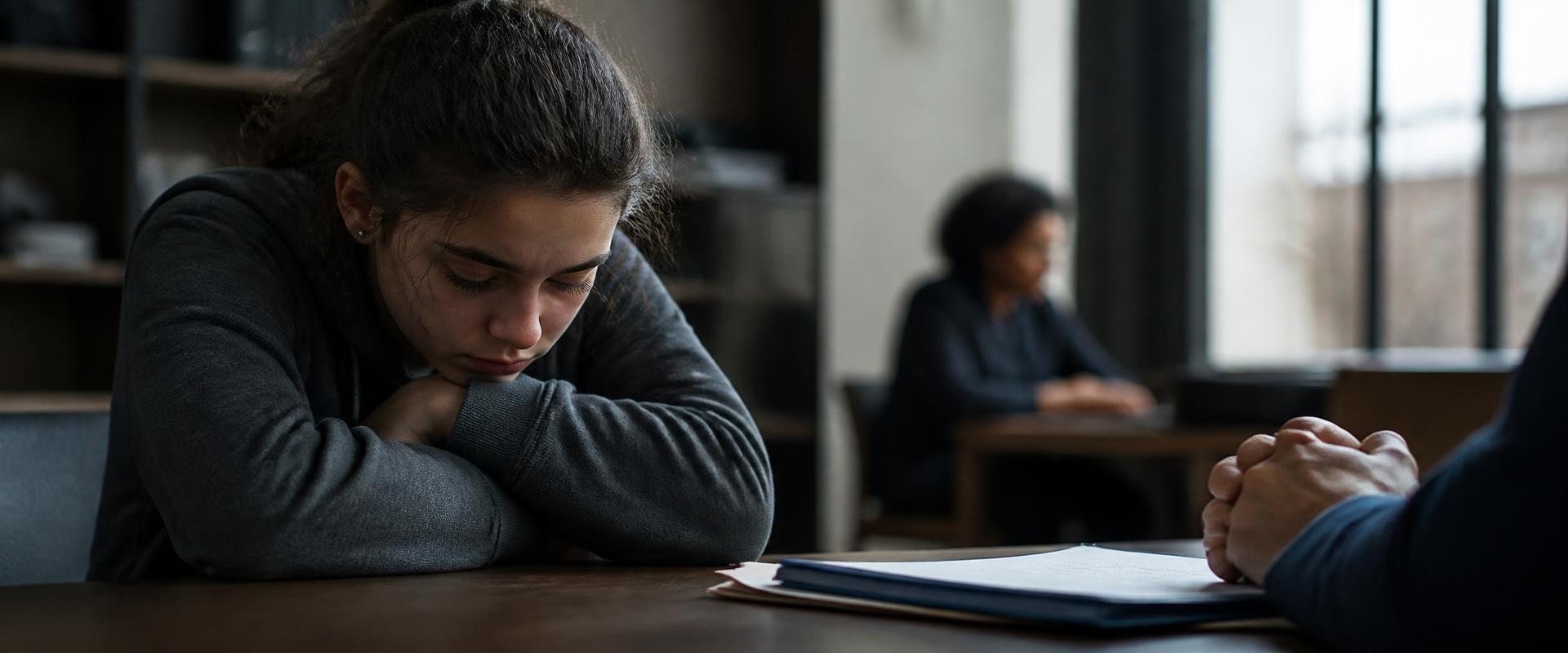
Sexual abuse allegations involving Chicago schools, youth programs, and detention facilities can raise serious questions about institutional responsibility. Civil claims may examine whether administrators, staff, or government agencies failed to provide legally required protection. Survivors may have options for seeking compensation and investigating the conduct of responsible organizations.
Schools and youth facilities occupy positions of trust. Parents and guardians expect these institutions to provide appropriate supervision and respond to threats to children's safety.
When abuse occurs in an educational or custodial setting, questions may extend beyond the actions of the individual accused.
An institution's supervision practices, reporting procedures, and responses to prior concerns may become important.
Civil litigation can provide a legal process for examining these issues when the facts support a recognized claim.
Sexual abuse allegations in educational settings
Abuse in a school environment may involve teachers, coaches, administrators, employees, or other adults with access to students.
The legal analysis often focuses on the relationship between the accused person, the institution, and the student.
School supervision and reporting failures
A school may face legal scrutiny when staff fail to respond appropriately to credible reports of misconduct.
For example, administrators might receive repeated complaints about inappropriate behavior but fail to investigate.
An attorney reviewing the case may examine what the school knew, which policies applied, and whether its response met legal requirements.
A negligence claim requires more than proof that abuse occurred on school property.
The evidence must support the relevant duty, breach, causation, and damages.
Public school claims and additional legal rules
Public schools operate within a different legal framework from many private institutions.
Certain claims may involve Illinois government immunity provisions or federal civil rights law.
Title IX, a federal law addressing sex discrimination in federally funded education programs, can be relevant to some sexual harassment and abuse cases.
However, Title IX liability has specific legal requirements. It does not automatically apply to every allegation involving a school.
The proper legal approach depends on the institution, facts, and applicable law.
Local spotlight: Chicago and Cook County youth institutions
Chicago and Cook County contain public schools, residential programs, youth detention facilities, and other institutions responsible for young people.
Allegations involving these settings have drawn attention to supervision, institutional oversight, and complaint-handling procedures.
The Cook County Juvenile Temporary Detention Center is one example of a facility that has been involved in litigation concerning alleged abuse.
State-operated youth facilities can present additional legal questions because claims against the State of Illinois may follow Court of Claims procedures.
Why detention and residential facilities require careful review
Young people in detention or residential care often have limited control over their surroundings.
They may depend on staff for transportation, medical care, communication, and daily necessities.
These circumstances can make reporting misconduct particularly difficult.
A civil claim may examine staff authority, monitoring procedures, complaint systems, and prior warning signs.
Records concerning staffing, supervision, grievances, and incident investigations may be important.
Pursuing civil accountability after school or facility abuse
A survivor considering legal action can begin by identifying the institution involved and the approximate period of abuse.
An attorney may then investigate potential defendants, available records, filing deadlines, and applicable legal duties.
Cases involving public entities may require special attention to jurisdiction and immunity.
Support for adult survivors of youth abuse
People who experienced abuse while attending school or living in a youth facility may not consider legal action until adulthood.
Delayed disclosure does not automatically prevent a civil claim.
Illinois childhood sexual abuse law includes special provisions, but historical claims still require individualized analysis.
Survivors may also benefit from counseling and independent advocacy services.
Legal proceedings should be considered alongside the survivor's personal needs and circumstances.
Common questions around Chicago school and youth facility abuse
Can a former student sue a school for sexual abuse?
Possibly. The claim must satisfy applicable legal requirements and filing rules.
Can a detention facility be held responsible for staff misconduct?
Potentially, depending on the facts, defendant, and applicable law.
What if school administrators ignored earlier complaints?
Documented complaints may be relevant to whether an institution knew about a risk.
Can adults pursue claims involving abuse during childhood?
Some claims may remain available, but the applicable Illinois law must be reviewed.
Do public school lawsuits follow the same rules as private school cases?
Not always. Public entities may have additional statutory protections and procedural requirements.