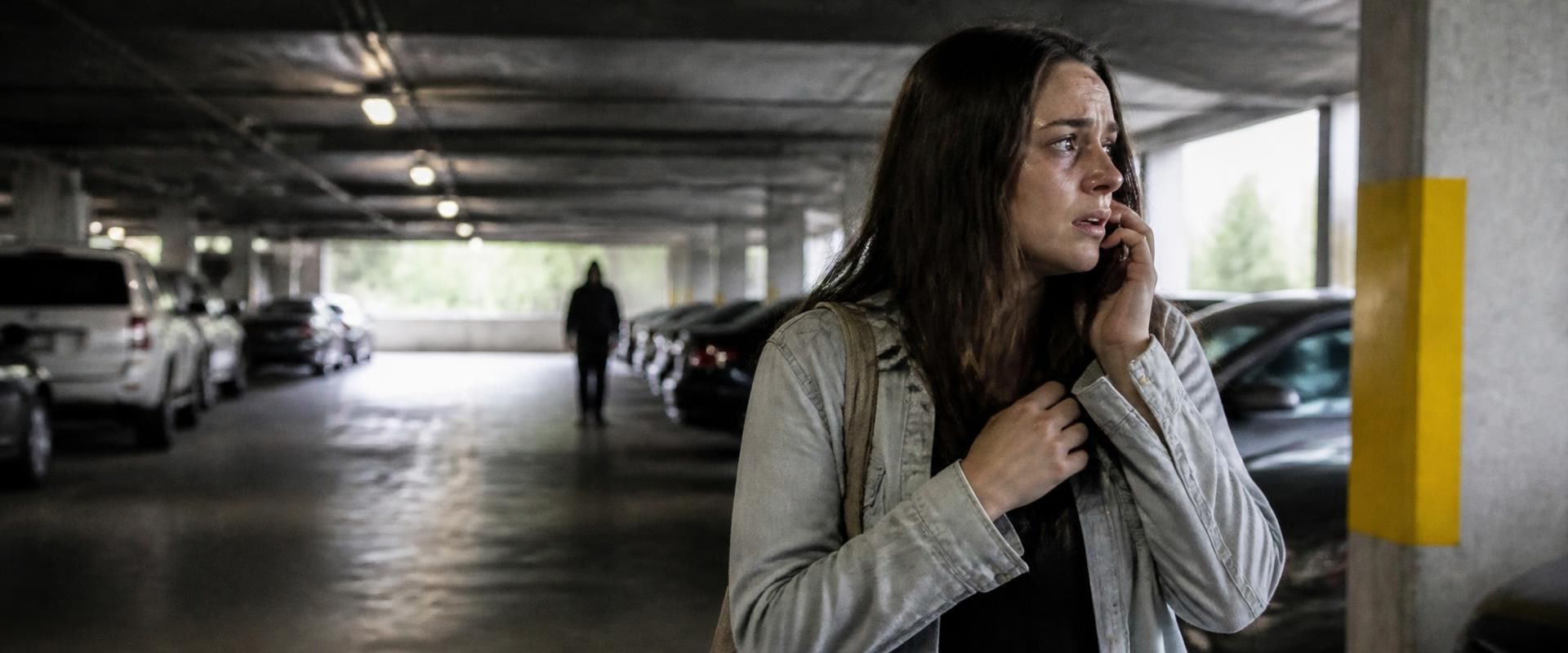
If you were hurt in a parking lot or garage, or lost someone there, you probably have a long list of questions. Below are plain answers to the ones crime victims and their families raise most often. Every case is different, so treat these as a starting point and talk with a lawyer about the details of yours.
Can I sue if I was shot, robbed, or assaulted in a parking lot?
Possibly. If the lot or garage lacked basic security, such as lighting, cameras, patrols, or access control, the property owner may be liable. Poorly secured parking areas are common sites of crime that was foreseeable and could have been prevented.
Isn't the criminal the only one responsible?
The attacker is responsible for the crime. A negligent-security claim focuses on something different: whether the owner or operator of the parking area failed to take reasonable steps to protect the people using it. Both can be held accountable in their own ways.
Who is usually liable for a parking garage shooting?
Generally, the owner or operator responsible for securing the garage. That may be a standalone parking company or the business attached to the garage, such as a mall, hotel, hospital, or apartment complex. Liability turns on whether that party provided reasonable security against a foreseeable risk.
Can more than one party be liable?
Yes, and it is common. A lot operator, an attached business, a property management company, and a security contractor may all share responsibility. Pursuing each one helps identify every insurance policy available.
The lot belonged to a business I was visiting. Does that matter?
It can matter a great deal. A business's safety obligations generally extend to the lot its customers park in. If a store, restaurant, hotel, or venue left that lot poorly secured, it may be answerable for an attack there.
What makes a parking area attack "foreseeable"?
Usually, a history of crime at or near the lot. Parking areas are isolated and easy targets, and owners typically know it. Prior robberies, break-ins, assaults, or shootings, combined with poor lighting, broken cameras, open access, and no patrols, can make the next attack foreseeable.
What security failures come up most often?
Lighting that is inadequate or broken on levels, ramps, and stairwells. Missing or non-working cameras. No gates, attendants, or other access control. No patrols despite known crime. And elevators or stairwell doors so badly maintained they strand people or leave them vulnerable.
What can I recover?
Parking area attacks frequently cause catastrophic gunshot injuries. Victims may pursue the costs of medical treatment and lifelong care, income they lost, and their pain and suffering. In fatal cases, the family may pursue wrongful-death damages.
Has the firm won cases like this?
Yes. In one of The Haggard Law Firm's cases, a jury awarded $3.9 million to the family of a teenager who was shot in an apartment parking lot. It has handled nearly 500 negligent-security cases and holds a $102.7 million verdict, the largest negligent-security verdict in U.S. history. These are gross figures and do not predict the outcome of any other case.
How quickly do I need to act?
As soon as you reasonably can. Video from lots and garages may be overwritten within days, and owners often repair broken equipment after a serious incident. Filing deadlines also apply and vary by state.
What should I do right now?
- Get medical care and keep every record.
- Make sure a police report was filed, and note the report number.
- Write down exactly where the attack happened, including the level, row, or nearest entrance.
- If it is safe, photograph lights, cameras, gates, elevators, and stairwell doors.
- Save anything showing why you were there, like a receipt, parking ticket, or reservation.
- Call a lawyer before evidence is lost.
I parked in a remote corner. Does that hurt my case?
Not necessarily. Choosing a parking space is an ordinary part of using a lot, and the owner is responsible for securing the whole area it controls, not just the spots near the door. In some states, a victim's own choices can reduce a recovery, but rules on shared fault vary, and a far-off space rarely excuses an owner who left that section dark and unpatrolled.
Do I need to wait until the criminal case is over?
No. The claim against the property runs separately from any prosecution of the attacker, and waiting can cost you evidence.
Will I have to go to court?
Many negligent-security claims settle, but some go to trial. Being prepared to try a case often strengthens a victim's position in settlement talks.
What does it cost to hire the firm?
Nothing up front. The firm works on contingency, so you owe no attorney's fees unless it wins. Call (305) 446-5700 for a free, confidential case review or visit https://crimevictim.attorney/negligent-security/parking-lot-garage/.
Attorney advertising. These answers are general and are not legal advice; contacting the firm does not by itself create an attorney-client relationship. A past win does not mean a future case will turn out the same way.