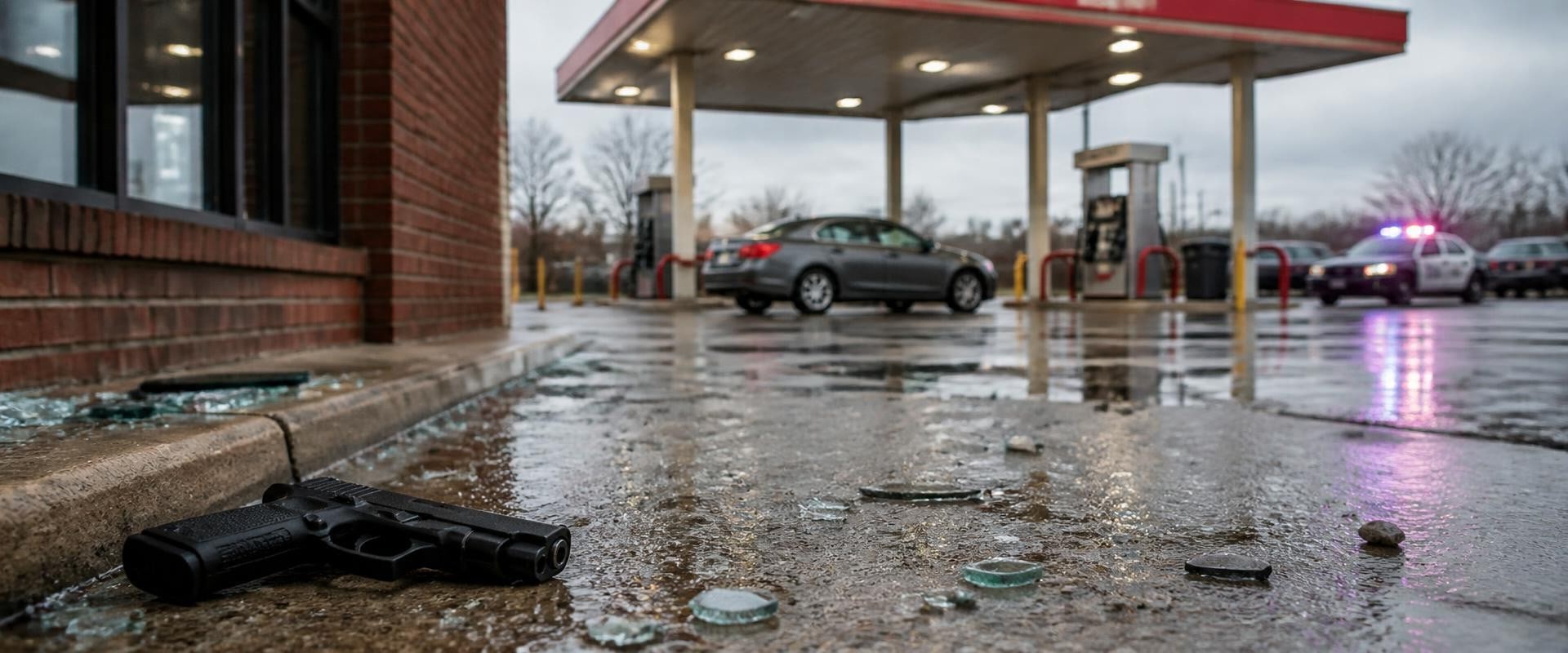
People who survive a shooting or armed robbery at a gas station often have more questions than answers in the weeks that follow. Families who lose someone face even harder ones. This guide gathers the questions that come up most often and explains, in plain terms, what the law may offer.
What a claim can pay for
A security-failure claim against a fuel stop aims to account for every way the crime changed the victim's life.
Medical costs. Ambulance transport, trauma surgery, hospital stays, follow-up procedures, physical therapy, prescriptions, and future care tied to the injury.
Lost income. Paychecks missed while recovering, and diminished earning power if the injury prevents a return to the same job or any job.
Mental health treatment. Therapy for the PTSD, panic, insomnia, and low mood that so often follow having a gun pointed at you.
Pain and life disruption. Money for hurting, for fear that lingers, and for hobbies, routines, and moments the injury took away.
Wrongful death. When a customer or worker is killed, eligible relatives may seek damages that commonly include burial and memorial costs, the household income that will never arrive, and the loss of a parent's, spouse's, or child's presence. The details are set by state law.
Why no two claims are worth the same
Every case is different. Factors that tend to matter include how badly the person was hurt and whether the harm is permanent, how convincingly the records show management saw the danger coming, how clearly the missing security connects to what happened, how many companies share responsibility, and which state's law applies.
Frequently asked questions
I was shot while a gas station was being robbed. Is a lawsuit possible? You may be able to. Where a station kept getting held up yet still skipped reasonable protection, such as adequate lighting, working cameras, or a guard, the owner may be liable for a shooting that was a foreseeable result.
The station is part of a big brand. Who do I sue? Usually the local operator, plus the parent brand in some situations, depending on which company controlled security. A careful investigation identifies every business that may share responsibility.
How is foreseeability proven? Attorneys gather dispatch logs for the address, reports the store filed after earlier holdups, and statistics for nearby blocks. Read together, they can demonstrate that the business was aware of, or should have been alert to, the threat and sat on its hands.
Police never arrested anyone. Does that end my case? No, not necessarily. Your case targets the station's own security lapses, which exist whether or not the gunman is ever identified.
I work at the station. Can I sue? It depends. Workers' compensation usually covers employees hurt on the job and may limit lawsuits against your employer, but a different business, perhaps the landlord, the brand, or a guard vendor, could still be answerable to you.
What will it cost me to hire a lawyer? These cases are commonly handled on contingency. The lawyer's fee comes out of any money obtained; an unsuccessful case produces no fee. Ask how case costs are handled under the fee agreement.
How long do I have? Filing deadlines differ by state and by type of claim, and some are short. Footage and alarm data can also disappear within days, which is one more reason to get advice promptly.
The station's insurer called me. Should I give a statement? It is usually wise to hold off. Adjusters work for the business, and early recorded statements can be used to minimize a claim. You can politely say you will respond after getting legal advice.
Does every case end up before a jury? Many cases resolve through negotiation. Even so, cases prepared thoroughly for trial tend to put victims in a stronger position.
Keeping track of your losses
Hold on to medical bills, insurance statements, and receipts for prescriptions and travel to appointments. Collect pay stubs or tax records that show lost income. Some people find it helpful to note how the injury affects daily routines, sleep, and willingness to drive at night, because those changes are part of the harm too.
Speak with The Haggard Law Firm
Coral Gables-based and serving clients nationwide, The Haggard Law Firm brings experience from roughly 500 negligent-security matters. Its $102.7 million result, won for a shooting victim who is now paralyzed from the neck down and dependent on a ventilator, is the top verdict yet recorded in a U.S. negligent-security case; that figure is gross.
Representation costs nothing up front, and no fee is due unless money is recovered. Tell the firm what happened, confidentially and free of charge, at (305) 446-5700. To learn more, visit: https://crimevictim.attorney/negligent-security/gas-station/
Attorney advertising. These answers are general and cannot substitute for advice on a specific claim. A conversation with the firm does not on its own establish representation. Earlier outcomes provide no promise about future results.