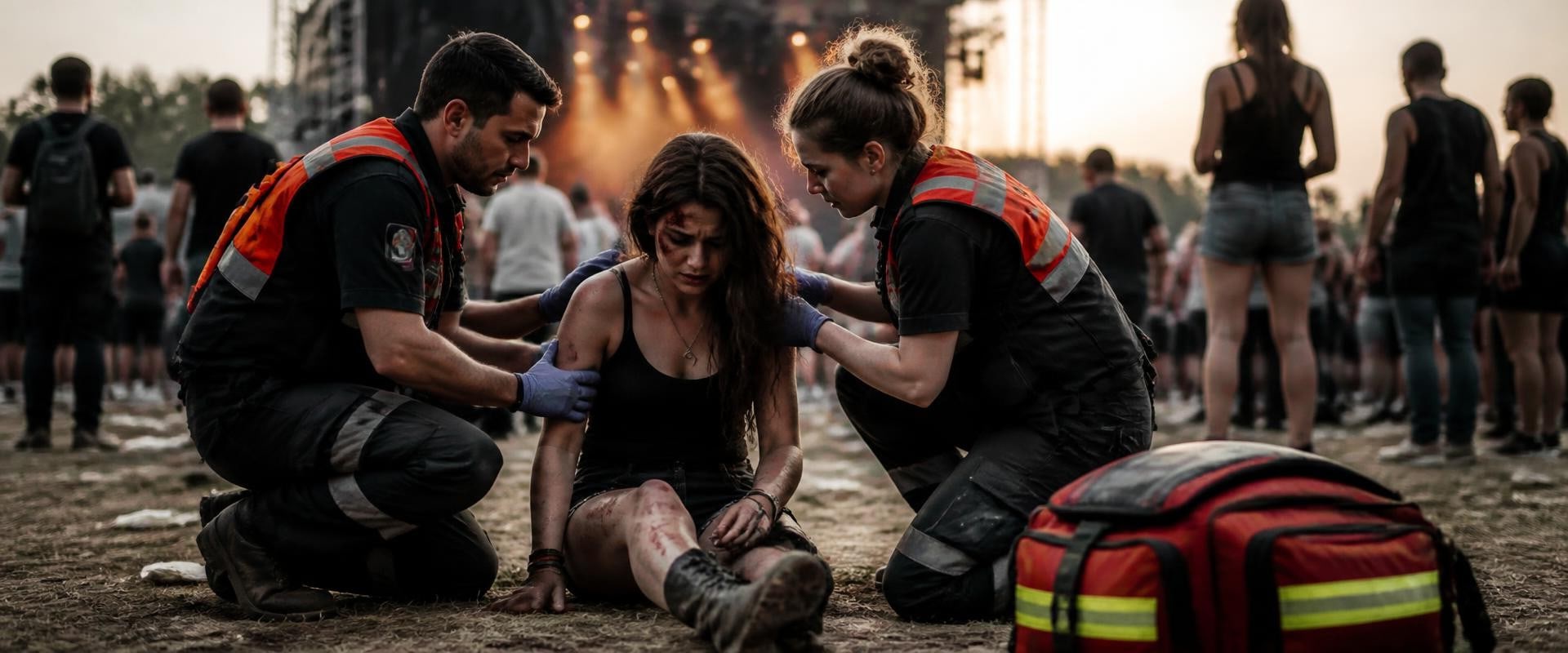
Survivors of violence at concerts, festivals, and other large events often face a long road. Injuries may require months or years of treatment, work may be impossible for a time, and the emotional effects can linger long after physical wounds close. Understanding what a civil claim can recover, and how the process works, can make that road a little clearer.
Categories of compensation
Event security cases often involve severe harm, and the damages sought reflect that.
Catastrophic-injury care. Trauma surgery, intensive care, spinal cord or brain injury treatment, amputations, and the future medical needs that follow.
Rehabilitation. Physical and occupational therapy, assistive devices, home modifications, and in-home help for people who can no longer manage on their own.
Lost earnings. Wages missed during recovery and, for those who cannot return to their prior work, the reduction in what they will be able to earn over a lifetime.
Psychological harm. The deep trauma these events cause, including post-traumatic stress, panic, depression, and fear of crowds, along with the cost of counseling and psychiatric care.
Pain and lost quality of life. Compensation for physical suffering and for the activities, relationships, and plans an injury has taken away.
Wrongful death. When an attendee is killed, family members may seek damages for funeral costs, lost financial support, and the absence of someone they depended on for love and counsel, according to the law of the state involved.
Factors that shape a claim's value
No responsible lawyer can quote a figure at the outset. Outcomes depend on the severity and permanence of injuries, the strength of evidence that security fell short of a foreseeable risk, the number of responsible parties, the insurance coverage available to them, and whichever state's rules govern the event's location. In mass-casualty events, the number of people harmed can also affect how available coverage is divided.
Frequently asked questions
I was shot at a concert. Do I have a case? Possibly. If the venue or the people running the event did not provide reasonable protection, such as screening, adequate staffing, or crowd planning, against a risk they should have anticipated, they may be responsible to those injured.
Who handles security at an event? Usually more than one business. The venue owner, the promoter or organizer, and a hired security company may each control different parts. A thorough investigation determines which party was in charge of each piece.
How much does it cost to bring a claim? Nothing is due at the start. The fee is contingent, so attorney's fees become payable only if the case succeeds. Ask how case expenses are handled under the agreement.
I was hurt running from the gunfire, not by a bullet. Can I still make a claim? You may be able to. Injuries from trampling, crushing, or falls during an evacuation can be connected to failures in crowd management and emergency planning.
The shooter died. Is there anyone to sue? Yes, potentially. Civil claims are directed at the businesses whose security failures contributed to the attack, so the shooter's death does not end them.
My ticket said the organizer is not responsible for injuries. Does that stop me? Not necessarily. How courts treat ticket disclaimers varies by state and by the wording used, and they may not shield a business from its own negligence.
When is the right time to reach out? As soon as you feel able. Each state sets its own time limits, and claims against government-run venues may have especially short notice requirements. Evidence such as video and staffing records can also disappear.
Can I join with other people who were hurt at the same event? In mass-casualty events, many victims are often represented in coordinated cases, and lawyers may work together on shared investigation. Each person's injuries and damages are still evaluated individually.
Documenting your losses
Keep medical records, hospital bills, pharmacy receipts, and mileage logs for treatment visits. Save your ticket or digital pass and any photos or videos from the event. Note how your injuries affect sleep, work, relationships, and willingness to attend public gatherings, since those changes are part of what a claim seeks to address.
Contact The Haggard Law Firm
Based in Coral Gables and representing victims across the U.S., The Haggard Law Firm has taken on nearly 500 security-failure matters, including work for Parkland school shooting families. Jurors returned a $102.7 million award for a shooting survivor it represented, the highest sum in any U.S. negligent-security trial; the figure is stated before fees and expenses.
Unless compensation is obtained, clients pay no attorney's fee. For a confidential discussion of a concert or event attack, at no charge, call (305) 446-5700. For more information, visit: https://crimevictim.attorney/negligent-security/concert-event/
Attorney advertising. These answers are general and do not replace advice on a particular case. Asking a question does not turn the firm into your lawyer. Earlier results are not a guarantee of later ones.